Saturday, November 09, 2019

Battle Fatigue, Shell Shock, PTSD-- Can Essential Oils Help in the Healing Process?

Lest We Forget
Even in countries like Canada with only a glancing involvement in wars, each of us knows someone in our family or friend circle who has been to war.  Many of us know people who have returned from combat situations with the devastation of post-traumatic stress disorder (PTSD)* or during the World Wars, what was called battle fatigue, combat neurosis or shell shock.  Do the peace-promoting qualities of essential oils have a place in the healing protocol of individuals returned from wars with PTSD?

A U.S. Long-Range Patrol Team Leader in Vietnam, 1968
 By Icemanwcs - Own work, CC BY-SA 3.0, 
https://commons.wikimedia.org/w/index.php?curid=28230832

Not everyone who serves in combat experiences PTSD.  Those who do, generally begin to have their flashbacks about three months after the traumatizing event, although they may not re-experience the trauma for several years.

The victim of PTSD generally tries to avoid anything that reminds them of the traumatic event, and avoids talking about it.  My husband grew up in a family where the parents spoke very little about their lives and relationships during World War II in Europe.  Recognizing the horrors that they probably experienced-- both as a soldier and a civilian-- it is easy to understand how they were both attempting to keep a re-play of the traumas at bay.

Intrusive thoughts, nightmares, dissociative behaviours, and 'flashbacks' create a position of over-vigilance that can very quickly become sleepless exhaustion.  Everything presents as 'danger' or menace to the tortured individual.

Typically, anxiety, depression and suicidal ideation become the norm.  Fairly frequently, co-morbid substance abuse is a way of coping.  Alcohol, pain killers, and other drugs are used together to try to get the optimal blurr on the behaviours associated with the PTSD.

Go To Watch Party for People Struggling with PTSD

THE PTSD BRAIN

Locales in the brain dealing with stress and post trauma stress.  Image from Wikipedia.

Adrenalin, the kick-in-the-rear hormone to stimulate a flight to somewhere safe, generally floods the brain and body at the time of trauma.  This flight-or-fight pattern will tend to be repeated during stressful episodes, even after there is no danger of a re-traumatizing event.

The biochemical make-up of the brain and body undergo changes with PTSD.

The amygdala (shown as a little flame in the diagram above) functions around emotions, memories and hormonal release.  The amygdala apparently takes a "memory trace," or a small part of a memory, and consolidates it-- makes it a long-term memory, and in the case of PTSD, a recurring memory during flashbacks, intrusive thoughts and the like.  So, if during the traumatic experience, the individual saw something like his buddy wiped out by a bomb explosion, the many sensory aspects of those few seconds or minutes might store as separately and repeatedly significant little memories-- the smell of burning flesh, the body parts flying in the air, the screams and groans of death and mortar exploding,  his own shameful inability to do anything to save his friend, and his body's shameful incontinence as a primal expression of fear and a "lightening of the load" so that he can run faster.  All of these emotions and perceptions will be fused as a consolidated memory of the trauma events, along with a powerful dump of adrenaline.  After the event, maybe years down the line, some small "memory trace" will trigger a PTSD event.

The intrusive symptoms, numbing, and arousal symptoms are the three major areas of presentation with PTSD.  Attempting to cope 'normally' is frustrating and often results in a depression-like state of flattened affect, sleeping disturbance or sleeping too much, memory glitches, inability to concentrate, and suicide ideation.  Anxiety and guilt are amped up for survivors.  Without helpful intervention, many survivors give up and attempt suicide.  For a clear understanding of war-related PTSD and what can be done to help, see the Ted Talk "The Psychology of Post-Traumatic Stress Disorder". (6 minutes)

PTSD is hell for the survivor and for their families.  Watch the PTSD 101 TedTalks (below) to get a good understanding of how war stress affects the brain, the body, and your family.  There is at least one video there for everyone.

If you prefer to read rather than watch a video, read about complete what 'war stress' entails and how to treat it with healthy ways, take a look at this .PDF document from the US Veterans Affairs.

HELPFUL INTERVENTIONS WITH ESSENTI

Thursday, November 07, 2019

Spot-Cleaning Your Carpet with Essential Oils


We are in the process of doing some refreshments in our livingroom, and the last of the jobs includes cleaning our very old berber carpet.  I really wanted to replace it with hardwood or engineered laminate (or whatever it is branded as) but, well, no budget for that yet.

So, we will be cleaning it.  But this time we will clean it with a "non-toxic" shampoo (warning: avoid the 'greenwashing' and make sure the carpet shampoo has the Carpet and Rug Institute Seal of Approval, a sort of umbrella certificate that involves approval as a choice by the EPA, Ecologo or Envirodesic. Many non-toxic shampoos include enzymes to break down the dirt and bacteria.

But in the meantime, one can make up a spot cleaner that should do a pretty good job on removing stains before doing the actual shampoo.

White Vinegar is a gentle cleaner that generally gets most stains.  I use the strong, cleaning variety of white vinegar that you can find in hardware stores (maybe your supermarket).  It has a little more oomph in the form of acid.  You won't want to cook with it.  If you want to purchase it through Amazon, you can find a number of choices HERE  

Salt helps to souse out the dirt.

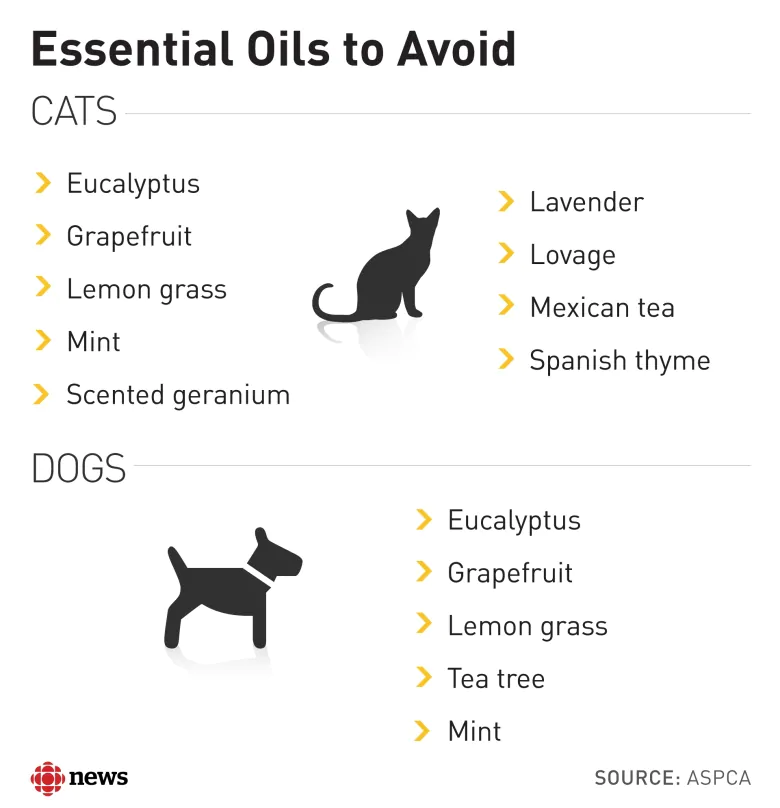
Essential Oils will provide a scent and some germ-eradicating that helps offset the stale or nasty smells associated with some stains.  CAUTION: Dogs and cats are generally quite reactionary to essential oils and some oils are TOXIC to them.  The original recipe from the site's recipe above, listed Lavender Essential Oil but I found that some other sites list Lavender as toxic to pets.  I suggest that you do your research and perhaps see what scent your dog or cat reacts less to that is NOT on the list to avoid below:

Image


To use the spot cleaner:

  1. Thoroughly vacuum the area to be spot-cleaned
  2. Combine warm water and vinegar in a large spray bottle
  3. Add in salt and essential oils.  Shake well.
  4. Spray onto various stains.  Shake between sprays
  5. Let dry completely
  6. Vacuum
  7. Repeat if needed
  8. Shampoo

*Recipe found at DIY Natural
*Image from Pixabay 

Monday, March 04, 2019

Make Your Own Lavender Oil....


Making my own Lavender Oil: I did this many years ago, and plan to do it again this Spring!  I grow a few woody drifts of lavender in my front yard and am planning to finally get around to planting them in the backyard this year.

There is still snow in patches, but I am so looking forward to seeing my lavender in bud.  I want you to have this recipe so you can try it too... maybe you even live somewhere (England?) where the lavender is budding out already? Lucky you!  Get out your gardening shears and be prepared to have fun and fragrance!

Supplies Needed: 

:Sprigs of Fresh Lavender (or you may purchase dried lavender) 
:Mason Jar with Lid 
:Oil- I choose pure castor oil (you can use other oils such as apricot oil, almond oil, even grape seed cooking oil) 

Directions:

:Fill the mason jar with sprigs-- fill it with as many as you can stuff in (you could strip off the buds and put them in without the stems-- whatever works for you) 
:Cover the lavender buds with oil and soak somewhere in natural light, such as in your East view window 
:Let the brew sit for several days, maybe weeks. 
: Strain the oil through a fine sieve and pour into one or more dark amber or green glass bottles. 
: Keep somewhere cool (not too warm). 
:You can amp up the effect by adding a few (+5) drops of your store-bought lavender essential oil to the bottle. 
: Enjoy as a body oil or in a bath salt recipe such as this one for relaxing before a good sleep.

Sunday, December 09, 2018

Essential Oils for Kidney Stones

This post appeared originally in December 2007 and is the most frequently viewed post in this blog.
------------------------
Flowers and branches of the Boswellia sacra tree
This post's excellent suggestions originated in a post by Jessica Wild, the author and moderator of the Wild Harvest Yahoo! group(no longer active) in response to a group member's question about her husband either flushing a kidney stone or relieving the pain associated with it.


Jessica suggests a combination of 10 drops of pure Frankincense and 10 drops of pure Lemon essential oil in a capsule, taken every four hours.


The beautiful aromatic essential oil of Frankincense is obtained by distilling the bark of the Frankincense tree that grows in Somalia, Saudi Arabia, Ethiopia and China. You will likely be familiar with the reference to Frankincense from the gifts that the Magi brought to the Christ Child, immortalized in the Christmas carol "We Three Kings" (as an aside, there is nothing in the Bible to indicate how many kings, or wise men, actually visited the Christ Child in his birth cave/stable). Along with Myrrh and Gold, it was considered a very precious commodity of the time... in fact, an essential part of any wealthy family's 'medicine cabinet', if you will pardon the pun.
Frankincense was used as a cleanser and a balm for wounds, to quell fevers, fight coughs and colds, soothe bronchitis, clear laryngitis, calm the stressed, and embalm the dead. Frankincense was a birth-to-death agent.

Pure, unadulterated Frankincense essential oil still works. It makes perfect sense as a purifying, calming additive in a capsule to help with kidney stones.

Pure Lemon Essential Oil is high in antioxidants, provides a wonderful emotional lift, and appears to boost the immune system in doing its job. It is tonic, astringent and antiseptic. A great deal has been recorded about the ability of lemon juice to dissolve gallstones, so commonsense would indicate that pure lemon essential oil would also be useful in dealing with kidney stones.

Eden's Garden "Frankincense"
On the tenth day of Christmas
My Aromatherapist gave to me
Frankincense and Lemon for the stones in my kidney...
9 drops Marjoram to deal with insomineeeee (a)
An 8-Lemon Drop Co-oo-ookie
Fragrance so Seventh Heaven-ly!
Six drops of Geranium,
Five ---- Drops--- of ----- Myrrh
Four big drops of Thieves blend
Three Raindrop treatments...
Two Eucalyptus Globulus
and
A bottle of pure Ro-s-e-mary....

**I am not a medical person (doctor, nurse, dentist, etc.) but make any references to the healing capabilities of essential oils on the basis of testimonials from real live people who have experienced or observed first-hand results.

Sunday, July 31, 2016

Gardening With Essential Oils


Essential Oils are invaluable in the garden to protect plants against munching insects and to protect and treat the gardener against insect bites and sunburn and the like.

Because essential oils are natural molecules originating from plants, they are not going to disrupt or poison the environment.  The goal in gardening with essential oils is not to massively attack and eradicate anything perceived as "the enemy."

 The creative use of essential oils in your garden will enhance the growth and fragrance of your flowers and the great flavour of your edibles while encouraging pollinators to keep coming into your garden to do their essential work.  Here are some tips for inviting in what you want and repelling what you don't want (non-violent pest control) in your garden:

Bambi Hates Rosemary


Deer can wreak havoc in gardens, stomping on plants and eating decorative ornamentals and veggies.  It turns out that deer have an aversion to certain strong-smelling herbs like rosemary, yarrow and lavender.  Commercial repellents generally contain a synthesized version of this and sometimes include coyote urine as their chief deterrent (ewww).   You can grow rosemary, yarrow and/or lavender around the perimeter of your yard/garden, or you can boil up 6 sprigs of Rosemary in 8 cups of water with 2 teaspoons of Tabasco Sauce (or a teaspoon of cayenne with a shot of vinegar).  Spray on the plants and around the perimeter of the garden/yard.  (Yes, it is ultimately the release of the natural essential oils in the rosemary that repel the deer-- it may also repel other animals such as bunnies, cats and raccoons, not sure).

Repel Ants

\Ants "milking" Aphids
The greatest harm that ants do in my yard is to 'raise herds' of aphids, which they like to 'milk' the honeydew from for their own (and their queen's?) tasty little libations.  Growing common tansy, mint and pennyroyal plants around your affected garden plants (roses? fig tree?) or door to your home will repel them.  You can put 3 neat drops of essential oils of Spearmint and Peppermint on cottonballs and place beside your doors.  You can spray their nests and along shelves with the essential oils (diluted 8 drops of E.O in 1 gallon of water).  Garlic oil and citronella are also helpful.
The SOLO Handheld Expert's Sprayer
Easy to use. Spray bushes,flowers etc

  (Sweet Little) Aphids

Getting rid of ants as much as possible (see above) will probably cut back on your aphid problem, since ants are the cowboys of the insect world and aphids are their beef herds.  Other than that, just interspersing your aphid-vulnerable plants with nasturtiums, spearment, stinging nettle, garlic, potatoes, parsley, basil and horseradish will keep their numbers down.  Also, making a tea with any or all of the above (boiling the above together or putting plant matter in a pail and adding water that you will use in a few days) will make an effective spray.  Nasturtium is a good bet!  Essential oils like Spearmint, Peppermint, Cedarwood, and Hyssop work well.  For a spray, combine 4-8 drops of the Essential Oil with 1 gallon of water.

Black Fly Shoofly!


Annoying little suckers... they bite as well as being annoying in that buggy way they have.  Plant Stinging Nettle (don't laugh-- I have this planted in several places), Basil and Lavender.  Put some Lavender Essential Oil on when you are out where there are black flies.  Tangetes, Tansy or Lavender Oil can be sprayed to shoo them away!  4-8 drops of the essential oil in 1 gallon of water does the trick as a spray.  Strips of muslin hung as in a clothesline or like a line of pennants from the used car lot, and sprayed with, or soaked in, the various essential oils (4-8 drops in 1 gallon of water), should deter the flies from frequenting places in or near the cottage where people are gathered or individuals are trying to read a good summer's book.

Cut Out the Cutworms!


Where I was when I heard that John Kennedy had been assassinated-- and the first time I saw a large cutworm-- both imprinted on my mind with equal gravity.  Oakleaf and Oak Bark (as in a wood chip walkway, say, as a garden mulch) keeps away the cutworm population.  Try putting 3 drops, neat, of either Thyme or Sage Essential oil on a cotton ball and placing where you suspect the cutworms are gathering.  Spray the base of nearby plants in an area affected by cutworms with 4-8 drops of Thyme or Sage in a gallon of water.


Tuesday, April 28, 2015

Beating Cancer with the Help of Essential Oils...

Steve Fillmore beat cancer twice, with the help of Essential Oils

In the hope-inspiring video, Steve Fillmore, a 42 year-old flight attendant from Minneapolis, Minnesota tells Drew Canole how he combined chemo, great nutrition, and holistic methods to overcome testicular cancer.  He mentions that he used a combination of Frankincense Essential Oil and Turmeric to daily massage the areas where lymph nodes reside.*

CAUTIONS: SOME OILS ARE BETTER THAN OTHERS 


Esteemed aromatherapist, author, and researcher Valerie Worwood cautions against using essential oils that are not organically-grown.  The chemical residues (fungicides, pesticides, herbicides) used in planting are also present during extraction and in the resulting oils.  Clinical aromatherapists are very careful about the oils they use therapeutically.

Aromatherapists also want to know what country their oils come from, and even what part of that country.  Worwood says that lavender is frequently grown in China and shipped to France from where it is "re-exported" as French.  French lavender used to be grown free of any chemicals under the clear blue skies of the Alps-- that is still the preferred place of growth, but, as everywhere else, massive freeways and industrialization exude their fumes and toxins over whatever fields they have growing near them... and there are a lot more fields of lavender growing this way than there were in the recent past. (The Fragrant Mind, p. 66-67)

Worwood also suggests that it is important to use an organic carrier oil and not to ingest essential oils without consulting someone who is in a position to recommend that to you based on their medical experience and training.

I would like to suggest that when dealing with cancer or other serious illnesses, that it is very important to consult with an actual working, well-trained aromatherapist, and not necessarily your friend who has an MLM investment and a few courses offered by the company that he/she distributes for.  As hopeful as the above video sounds, please do not do as he did without checking with a person with the aromatherapeutic, medical, nutritional background to assist.  *No information in this blog is meant to diagnose or suggest treatment.

Worwood has an extensive referral section in the back of her book.

The book

The Healing Intelligence of Essential Oils: The Science of Advanced Aromatherapy

is highly reviewed by customers  and strikes me that it might be a good resource for people doing healing research.  Information you find in this book or others can be taken to your chosen health professional for consultation.

All the best!  Fragrant Blessings, Cynthia

        Click above or HERE to learn more

Monday, April 27, 2015

Essential Oils and Dental Pre- and Post-Op Care


So, today I went to the dentist and had two molars extracted.  I was a panicky mess when I arrived (I'm working on that, and yes, Frankincense, Lavender, Marjoram, and Geranium Essential Oils have all had a role in keeping me calm and/or balanced-- but the dental clinic is "scent/fragrance-free" so I went in unarmed).

Fortunately the dentist was a lovely guy who gave me permission to put up my finger for a break at any time, and the Assistant, Chynna (pronounced "China"-- isn't that beautiful?)   was sweet, chatty and proficient in her job. The teeth came out with relative ease, and NO PAIN.  I was given a sheet of instructions about post-op care (eg., don't eat anything on that side for a week; take ibuprofen every 6-8 hours for pain; ice the swelling).

After the icing, I made a compress of Roman Chamomile (a few drops in a square of gauze) and held it there for a while.  When my husband came home he was amazed at how the swelling had gone down.  I found this suggestion at https://www.aromaceuticals.com/blog/easing-dental-pain

I had a big green smoothie for lunch (apple, mango, mixed baby greens, chia seed for protein and water).  I did take one of the ibuprophen.  Amazingly, everything in my mouth is calm.

(I must also mention that my dear husband prayed for me before and during my appointment. I do  believe these essential oils are a gift from God-- and the great dentist and his team are a gift as well!)


Thursday, March 12, 2015

Valerie Worwood's The Fragrant Mind: Pathway To The Mind Comments

Flower of the Lemon Tree courtesy of Thiagofest at FreeImages.com
You know how it is-- you buy a 'reference book' from Amazon and you use it just as that-- when something comes up that you must know.  But you do not read the book from page 1 on through to the end.  That is exactly how I have treated this book, "The Fragrant Mind: Aromatherapy for Personality, Mind, Mood and Emotion " by Valerie Ann Worwood.  So far.  But now I am going to read the entire book.  And review it as I go (big shout-out to my friends on the Facebook page Pure Therapeutic Essential Oils and the People Who Use Them)(<--Join us.  Keep me accountable :p )

Many years ago when I was more thoroughly immersed in essential oils-- using them daily, maybe over-using them daily, spending a huge sum monthly to keep myself viable as a distributor for an essential oils MLM-- I read V. A. Worwood's "The Complete Book of Essential Oils & Aromatherapy".  I was very impressed with her knowledge and the skills that she passed on.  When I mentioned this to another, more seasoned eo person she suggested that V.A.W. was not the 'real article'-- that she 'was said' to have plagiarized much of her material.  I was shocked.  I talked this over with a long-time friend who asked me, in her down-to-earth, no-BS style (for which I love her): "Honestly, Cynthia, do you think that this information hasn't been floating around for decades, maybe hundreds of years? Plagiarize?  Come on.  Worwood is just smart enough to get out there and share it before some of the pharmaceutical-grade oils guys got hold of it."  (If you get my drift).

Valerie Ann Worwood has been a practicing aromatherapist for twenty years, actually plying her arts with 'royalty and heads of state' and other celebrities as her bi-line states.  Her homebase is in England where she works out of her own clinic.  In research she has a particular interest on aromatherapy and its effects on endometriosis and infertility.  She teaches and conducts workshops internationally.  She has served on the executive councils of the International Federation of Aromatherapists and the Aromatherapy Organizations Council.

The Fragrant Mind is divided into four parts, and fourteen chapters:
Part 1: Pathways to the Mind
Part 2: Emotional Healing and Aromatherapy
Part 3: Aroma-Genera: Human Characteristics and Personalities of Essential Oils and
Part 4: Appendices dealing with Safety Data,  Therapeutic Components of Essential Oils and Absolutes, Suppliers, Useful Addresses, Notes, Bibliography and Index

What Are Essential Oils?

Worwood starts by talking about the history of plants and their powerful healing essences.  Did you know that the word chemistry derives from chemia which means plant juice.  Is that not the most intriguing realization?

  She goes on to a paragraph of descriptions of how different plants, and plant parts, are distilled or otherwise processed to produce the essential oils.  Science, of course, is quite taken with the isolating of various compounds in these essential oils-- the supposed "healing" compounds, etc.

 But, if you mix all of a plants isolated compounds together in a pot you will not get the essential oils you were hoping to replicate!  I recently read T. Colin Campbell's Whole: Rethinking the Science of Nutrition in which he did a pretty fair job of describing the modern trend of reductionism-- highlighting the individual, isolated components and 'selling' their qualities to the un-knowing consumer without their realizing that plants are meant to be consumed as whole entities, that you gain the benefits of the whole, not of the isolated parts.  The same is true of essential oils.  "It is the synergistic effect of all the components that makes an essential oil what it is (p. 13, The Fragrant Mind)"

When you 'blend' various oils you always get something that is much more than the sum of the two oils' "healing" components... fascinating!

That's a small chunk of chapter 2.  I assure you that this book is a mine of gems that will amp your understanding of aromatherapy and essential oils far beyond where you currently are.   I will continue to do random chunks of information from this fascinating tome.


Friday, March 07, 2014

Essential Oils for Stress Reduction

Essential oils are particularly helpful in dealing with stress. They enter the bloodstream quickly through the skin or when inhaling or diffusing, or in some cases, ingesting. There is nothing more relaxing than an aromatherapy massage! It is very very important to realize that you will also allow many toxins this way in if you are using essential oils that are not pure. Here is a list of different sorts of stressors and essential oils to deal with them:

http://astore.amazon.com/diffusinglife-20?_encoding=UTF8&node=5
General Stress Kit: Bergamot, Bois de Rose, Cedar, Chamomile, Clary Sage, Cypress, Geranium, Jasmine, Lavender, Marjoram, Neroli, Petitgrain, Rose, Sandalwood, Ylang Ylang


Antidepressant: Basil, Bergamot, Bois de rose, Chamomile, Clary sage, Geranium, Jasmine, Lavender, Lemon, Neroli, Patchouli, Peppermint, Petitgrain, Sandalwood, Rose, Rosemary, Thyme, Ylangylang

Anxiety: Bergamot, Bois de rose, Cedar, Chamomile, Clary Sage, Cypress, Frankincense, Geranium, Jasmine, Juniper, Lavender, Lemon, Neroli, Petitgrain, Rose, Sandalwood, Vetiver, Ylangylang.

Chemical stress (food, coffee, smoke, pollution, etc.): Clary Sage, Grapefruit, Geranium, Lemon, Lavender, Rosemary.

Emotional stress: Bergamot, Bois de rose, Geranium, Petitgrain, Rose, Sandalwood, Vetiver.

Environmental stress (lights, noise, cramped space): Basil, Bergamot, Cedarwood, Chamomile, Cypress, Geranium

Mental stress: Basil, Bergamot, Geranium, Grapefruit, Lavender, Patchouli, Petitgrain, Sandalwood.

Physical stress: Bergamot, Chamomile, Fennel, Geranium, Lavender, Marjoram, Rosemary, Thyme.

Sleep (Less is more! Too much can overstimulate): Chamomile, Clary sage, Lavender, Marjoram, Orange, Valerian, Vetiver, Ylang ylang.

Calming Children: Use a spray (inhalation) of gentle essential oils such as Sweet Orange, Neroli, Mandarin, Chamomile, Lavender

Monday, December 06, 2010

7 Natural Ways to Use Essential Oils For Prevention and Relief of Nausea

Nausea and vomiting are common symptoms that come from irritation to the intestinal tract, but they can also be associated with other illnesses such as diabetes, and are linked with disturbances in the inner ear. Putrid odors, jet lag, headaches, food allergies, poor digestion and both emotional and physical stress can cause this ugly feeling.

Nausea is that unpleasant sensation that makes you feel like you want to vomit. Vomiting is the forceful expulsion of contents from the stomach through the mouth.

There are several ways to deal with this difficulty and perhaps the safest and most effective way is very natural: the use of essential oils. Here are seven ways to use essential oils for the prevention and relief of nausea: 
  1. Many aromatherapists recommend a very gentle massage with essential oils over the stomach area. In this instance you would dilute the chosen essential oils into a carrier oil base, and then rub a few drops of the blend over the tummy. You can also rub 1-3 drops behind each ear (over the mastoid).
  2. Some may find a massage uncomfortable, and in this case a compress may be preferred. Here you could put about two cups of warm water in a sink or basin, add 10-15 drops the chosen essential oils, and after swishing the oils around to disperse them, put a cotton washcloth into the solution, gently wring it out, and then place the cloth over the tummy.
  3. Simple inhalation may be the easiest and best way to relieve or prevent nausea. You can either inhale directly from the bottle of essential oil, or put a few drops on a tissue or cotton ball. This can be stored in a baggy, then taken out for a whiff when the sense of nausea come on.
  4. Try adding a drop of Peppermint (Mentha piperita) or Spearmint (Mentha spicata) to an Altoid or breath mint, if you feel a bout of nausea coming on. Often this will prevent an attack, and is quite tasty.
  5. Drink some chamomile (Matricaria recutita or Chamaemelum nobile) cinnamon(Cinnamomum verum), or peppermint tea. Or add a slice of ginger to some hot water. I have also found it effective to add a drop of essential oil to ginger ale. This and both of these teas are soothing to an irritated tummy. Don't have these items on hand? You can make a tea with essential oils, but you will want to dilute the oil before adding it to the cup of hot water. Put one drop of essential oil into a teaspoon of honey. Then you will only need to add about 1/4 to 1/3 of the teaspoon of oil infused honey to a cup of warm water. Remember that the essential oil is a very concentrated form of the herb or spice. One drop of chamomile essential oil is equivalent to about 30 cups of chamomile tea. So go easy here. And remember to use ONLY the purest therapeutic grade oils. This is very important. If unpure or adulterated oils are used, you can only make the problem worse.
  6. You can also apply the essential oils to your feet. Pay attention to the reflexology point for the stomach: the area on the bottom of the foot, in the middle of the foot on the inside in line with the big toe. The acupressure point to relieve nausea is on the inside of the arm, just above the wrist in line with the long finger.
  7. Sometimes using a diffuser to disperse an essential oil can be helpful. Here it is particularly important to select, ahead of time, an essential oil that is agreeable to the person. Choosing an oil that the nauseated person finds offensive, for whatever reason, can only make matters worse.
The most appropriate essential oils to use are peppermint, spearmint, Ginger (Zingiber officinale), Fennel (Foeniculum vulgare) and Nutmeg (Myristica fragrans). Mailhebiau recommends using Dill seed ( Anethum graveolens) oil for children. Essential oils of carrot seed (Daucus carota), chamomile, turmeric (Curcuma longa), and Patchouli (Pogostemon cublin) have also been found to be effective. See your aromatherapist to determine which essential oils are right for you.

Here is an effective blend for nausea to be used as a tummy massage:

5 drops of Roman Chamomile
2 drops of Peppermint
2 drops of Patchouli
1 drop of Ginger
1 Tablespoon of vegetable oil or jojoba carrier oil (or unscented body lotion).

Combine ingredients and rub on hands. Have the person who is nauseated inhale slowly and deeply a few times, then gently massage this blend over the solar plexus area (below the rib cage) in a circular motion. You can store the massage oil in a glass bottle. This recipe makes about 1/2 ounce. Be sure to label the bottle with the ingredients, and the date the blend was made. You can also use this blend without the vegetable oil, and place a few drops on a tissue for inhalation. Store it in a plastic bag, and take it out to smell of it when the feeling of nausea comes on.

Simple acute nausea and vomiting that occurs following overeating or over indulgence of alcohol, or in the morning sickness of early pregnancy may require little or no treatment. But severe or prolonged nausea and vomiting requires careful management. Chronic nausea can be a sign of something more serious. See your health care professional for this.

This article is written for informational purposes only and is not meant to diagnose or treat medical problems. The advice and care of a physician is recommended for your health concerns. Aromatherapy is intended as complementary care with health care providers, not as an alternative to care.

A registered aromatherapist, Judy has a special interest in using essential oils in health care and prevention. For information about Judy and for ways to obtain her favorite essential oils, visit her Web page at: http://home.comcast.net/~judy922/site/
Judy Lausch - EzineArticles Expert Author

Sunday, September 19, 2010

Make Your Own Special "Drawing Salve" containing Essential Oils

Flea bites are the most common
form of insect bite found on HUMANS.
I've had a lot of nasty bug bites and boils in my day.  I am so happy that there are ways to quickly draw off the toxins in the little pustule that develops... I am going to detail one method for doing that today using essential oils, activated charcoal and some other items.  The recipe I provide is called a "black drawing salve" and you will want to make some up for your Natural Medicine Chest.  You may want to take it with you when you go camping, etc.  It is good to use for bee stings, boils, slivers, infections and the like-- anything that requires drawing poisons out of your body.  For the grannies out there (such as I), it is a precious gift to give to the parents of your grandbabies-- you know what I mean.


Ingredients:
  • 2 T. Beeswax
  • 3 T. Cocobutter
  • 3 T. Sheabutter
  • 2 T. Organic Coconut Oil*
  • 1 T. Vitamin E oil
  • 2 T. Activated Charcoal Powder**
  • 3 T. Bentonite Clay
  • Pure Essential Oil (choose from list below)
  • 8 - 1/2 oz. jelly jars with lids, or 8 baby food jars with lids, sterilized
  • candy thermometer
  • Old Crockpot/slow cooker/electric skillet/electric wok that you dedicate from now on to melting wax with
What to do:
  • Have all ingredients on-hand and ready to go.  I am able to buy all of the above ingredients at my local health food store.  Please use only ORGANIC Coconut Oil so as to make use of the antibacterial properties not available in the heavily processed coconut oil.  Charcoal Powder: you may have to buy a bottle of charcoal caps and just break open the capsules and pour the powder into a small bowl until you have 2 T.  
  • Put the beeswax, shea butter, cocobutter and coconut oil into an old crockpot that you purchase second-hand or pick up free from Freecycle-- this is the safest way to melt your oils and wax.  The most dangerous way is to melt over a gas fire.  If you are an old pro candle-maker, etc., go ahead and melt the items in a small pot over low heat.  Use your candy thermometer to heat and simmer up to 180 degrees (Medium)  Hold at 180 degrees F. for 15-20 minutes
Add all remaining ingredients (except for essential oil) and stir to blend.
  • When the mixture is cool, add the essential oils (5 drops) that you wish to use.  The ones I recommend are (1)Lavender (2)Tea Tree (Melaleuca) (3)Myrrh (4)Chamomile.... other essential oils are useful as well.
  • Spoon into sterile jars, lid tightly, and store in a cool, dark room.
How to Use the Salve
  • Put about an 1/8 of a teaspoon-full of the salve on the boil or sting, etc.
  • Cover with sterile gauze and a warm compress will be helpful in drawing the toxin out
(adapted from an article online at Herbs.Love to Know.com)


Monday, August 23, 2010

Stevia Julip?

Just discovered a tasty way to use the stevia I'm growing:
- 1 quart water
- 1 cup brewed stevia leaf tea, or liquid stevia extract drops to taste-
- a drop of organic therapeutic-grade peppermint essential oil -
- if you add a teeny splash of organic vanilla it tastes like cream soda or a cross between root beer and cream soda
- Pour over ice or let it sit in the refrigerator for a while. 
No calories. No side effects. Phytonutrients.

Wednesday, August 18, 2010

Essential Oils and Castor Oil for Cracked Heels

In yesterday's post we introduced the notion that Castor Oil-- that slightly bad-smelling, heavy oil reminiscent, for some of us, of purges prior to surgery in the old days-- is actually healing and effective when applied externally.  For whatever reason (old age?) I have cracked heels.  I have come across a really super recipe for smoothing and soothing the rough peeling skin on my heels.

Materials needed:

Method:
    Wash feet throughly and rub smooth with pumice stick
  • Dry feet 
  • Pour about a Tablespoon of Castor Oil on your palm.  Add a couple of drops of the essential oils 'blend'.  Gently mix together in your hand.  
  • Apply generously to both heels.
  • Tape gauze pads over heels and sleep on side to allow Castor oil and essential oils to be absorbed.  Repeat until heels are soft again.

Tuesday, June 08, 2010

Essential Oils and Comfort Pillows


kimharms.net

Wow, I haven't posted for a while... but today while I was out weeding in my front herb garden I got an extreme hit of mint fragrance and I thought immediately, "ah, the essential oils of mint!"  

I have a ton of herbs growing and sometimes I forget about their fragrant pleasures... I am trying to be a little more cognizant.   I love just to squeeze some of the leaves or needles (as in the case of my very mature rosemary). 

 I also have some herbs that I don't use for anything culinary (such as lemon balm) and am reminded about the OTHER things you can do with herbs, such as make 'comfort pillows'... clip and dry herbs of your liking, such as lavender and rosemary, and mix with the "stuffing" of the pillow (could be polyfilla, wool, flaxseeds, rye groats, etc.).  

There are quite a few different ideas you will find when you google "comfort pillow".  You can also, of course, add some actual essential oils to the pillow according to the purpose (i.e., sleeping, then add lavender).

And as a bonus, here is a great article about 10 Uses for small pillows for those with breast cancer:
http://breastcancer.about.com/od/treatmentoptions/tp/comfort_pillows.htm

Monday, March 08, 2010

Scented Recipes for Cleaning House


I'm helping my son and daughter-in-law with their move... here are some excellent natural cleaning, room-freshening recipes using essential oils and other non-toxic, inexpensive ingredients:

Hardwood or Vinyl Floors
To clean hardwood or vinyl floors, add 1/4 cup of white vinegar to a bucket of water.  Then add 5-10 drops of lemon, pine, spruce, If the floor is especially dirty, add several drops of dishwashing soap.  This will clean even the dirtiest floor.
1/4 cup white vinegar to a bucket of water
5-10 drops lemon, pine, or spruce essential oils
Liquid castile soap if needed

ALERT: Vinegar will dissolve grout between tiles, etc. and is not great on marble floors or fireplaces.

Floor Cleaner
 Add 1/4 cup white vinegar to a bucket of water.  Add 10 drops of lemon oil and 4 drops of oregano essential oil. Oregano oil has powerful antiseptic properties!
1/4 cup white vinegar to a bucket of water
10 drops lemon essential oil
4 drops oregano essential oil

Carpet Freshener
To make a carpet freshener, add 16-20 drops of essential oils to a cup of baking soda. Mix well and place in a covered container overnight so that the oil can be absorbed. Sprinkle over your carpet the next day and then vacuum the powder up.
1 cup baking soda
16-20 drops essential essential oils
Vacuum Cleaner
You may also saturate a disposable cloth or tissue with several drops of essential oil and place it into the collecting bag of your vacuum. This will diffuse a pleasant odor as you clean.

If your vacuum collects dirt into water, simply add a few drops into the water reservoir before cleaning. This refreshes both, the carpet and the room.

Homemade Soft Scrubber
1/2 cup baking soda
Liquid Castile Soap
5 drops Lavender essential oil and/or 5 drops Tea Tree essential oil


Place the baking soda in a bowl. Slowly pour in liquid soap stirring constantly, add liquid soap until the consistency resembles cake icing or frosting. Add the essential oil/oils if desired. Scoop the creamy mixture onto a sponge, scrub the surface, and then rinse.
If you add a little pure vegetable glycerin to the baking soda, the mixture will stay moist for a long time in a jar with a tight lid. (this is why glycerin is added to toothpaste... always use a toothpaste without glycerin-- and other unnecessary/noxious ingredients-- like ToothSoap)

Basic Wood Cleaning Formula

This formula is for well-used furniture. The vinegar works to pull dirt out of the wood. It doesn't leave an oily residue because the little bit of oil keeps the wood from drying out. It will store almost indefinitely in a lidded jar.

1/4 cup white distilled vinegar
1/4 cup water
1/2 teaspoon liquid castile soap
5 drops jojoba or olive oil
few drops of favourite essential oil (lemon, other citrus oils)

Combine the ingredients in a bowl. Saturate a sponge and squeeze out the excess. Wash surfaces of tired and dirty wood. The vinegar smell will dissipate soon. Dry with a soft cloth.

*adapted from an article at www.healthy-home-cleaning-tips.com

Wednesday, February 24, 2010

Essential Oils for Sore Muscles


It is quite likely that some of the Olympians are using soothing and healing essential oils to deal with their overworked muscles.  Here is an article from EHow that gives a pretty good idea of the diversity of essential oils in taking care of muscular stress, fatigue and pain.     You will find some excellent recipes for putting together formulas that will allow your muscles to relax, and every one knows that relaxation is the first step to regeneration and healing!  http://www.ehow.com/way_5663655_essential-oil-recipe-sore-muscles.html

Arnica is a favorite essential oil for muscle and joint aches. Use it after strenuous activity to relieve pain. If you use it just after an injury, it can decrease the damage. Oils like wintergreen and cayenne or black pepper contain topical analgesics similar to aspirin, and they stimulate circulation in sore areas. Good circulation is necessary to get rid of the built-up lactic acid causing the sore muscles. Lavender, rosemary, ginger and eucalyptus oils are also able to soothe stiff muscles and increase circulation. Add ingredients like chamomile or sandalwood to your essential oil massage blend to make soothing scents to help relax your mind as well as your body.


Go to the article now and read about what you can do to get the relief you long for:http://www.ehow.com/way_5663655_essential-oil-recipe-sore-muscles.html  Pass this along to any Olympians you think might appreciate the information. : )

Wednesday, February 03, 2010

Caring for an Old Flare-up of Whiplash


Back in the late 90s I had two car accidents that left me reeling with what I prayed (and prayed and prayed) would not be an ongoing chronic pain. Classic whiplash-- it most affected my right "wing" on my back and the pain radiated all the way down into my right palm.

I tried all the usual venues-- trips to the doctors, "muscle relaxants", trips to the chiropractor, etc. etc. etc.

One day I was walking from our fave little health store past a nextdoor shop and spotted an older Chinese gentlemen using a pen-like apparatus on a woman's hand. I quickly read the poster in the window that told about the service (a non-invasive acupuncture-type stimulator) and went into the store.

He demo'd the device on me and rented it to me for a couple of weeks use.

My dear husband studied up the book that came with the device and using what he learned (he's an accountant, not any kind of body worker lol)in about a half-hour's reading, he found the applicable meridian points and applied the electronic pulses to them. After less than a week, of four treatments a day, I was DONE with that pain. It was a miracle to me! We have since lent it out to many people dealing with everything from diabetic neuropathy to fibromyalgia and the after-effects of cancer radiation.

This week I began a 28-day Raw Vegan cleanse with a community of folks on-line. The first day went very well. On the second day I felt lethargic and a little achey, not unusual signs of detox. Last night I swear I had a revisit of the awful whiplash pain of years ago. I absent-mindedly reached for a nearby bottle of Peppermint Essential Oil and rubbed it into several achey spots on my neck and shoulder and went to bed. I kept my shoulder warm.

In the morning: NO PAIN!

It is is my philosophy that pain relief does NOT have to be invasive, painful itself, or cost a lot of money and time. That's been my experience, too, I'm happy to say. Another technique I use is EFT (Emotional Freedom Technique) that uses the same meridian points that acupuncture does to tap away the energy blocks that create and maintain pain, both physical and emotional.


Do you have a comment or a technique or essential oil that you find particularly useful for dealing with muscle pain? Please share by clicking here. (Thank you!)

Fragrant Blessings!
Cynthia

Wednesday, August 13, 2008

The Power of Scent

I once had a boyfriend who claimed that his former love had liked the smell of his sweaty t-shirt... I seriously doubted that. 

Nonetheless, there is a lot of evidence that indicates that our sense of smell is far from being a weak and unimportant sense-- that our odour-detecting ability is surprisingly sharp and adds to our social interactions in ways that we often do not consciously realize. 

The sense of smell is often considered a far-off contender in a competition of sensory importance: we ask ourselves, for example, "What would I do if I went blind?" or "How could I manage if I couldn't hear anything?"  Not many of us think, "I wonder what it's like not to be able to smell anything?"  (Although there were a few times in my life when I thought that such an experience would be okay when driving downwind of a hog operation or a pulp mill.)

The fact is, our sense of smell is more influential to our species than we think it is.  Smell facilitates a number of human casual and intimate social interactions.   

Did you know that we use smell to assess whether we find someone likable or not? If you are a Boomer you will likely really identify with this-- remember our fears of "halitosis" and "B.O" (well, except for that one boyfriend of mine!). How about the thinly disguised racism behind statements like, "Oh, he eats all that stinky food".

We sort out friends and strangers by their scents. You have likely heard of people who have slept with a piece of clothing that belonged to their former spouse? Or children who are soothed to sleep by snuggling an old sweater of Mommy's? Does it make sense, then, that the olfactory organ (right up high on our nose, connected to our brain) can facilitate reproduction and even prevent risky encounters.

Inspired and adapted from the article "The Hidden Power of Scent" by Josie Glausiusz in the August/September 2008 issue of Scientific American Mind.

Monday, March 10, 2008

What are ABSOLUTES?

Jasmin, one of the materials for Absolutes


Hmm... in the non-essential oil world, 'absolutes' are statements of purported authority, true-isms... but in the world of essential oils, Absolutes are aromatic oils extracted from plants, but are not considered true essential oils because they are not obtained by distillation but by chemical solvents. This is NOT the most desirable way to extract the oil of a plant because there are always residues of of the solvents left behind which adulterate the oil and may be toxic.

Unfortunately, the aromatic essences of some plants cannot survive the heat and hydration of distillation. Extracting them as absolutes is the only practical way to obtain them at this time. The solvents are usually ethanol, methanol, benzene, or hexane. All but the first of these are toxic chemicals. Absolutes are sometimes called "essences". Absolutes usually contain a wider range of molecular sizes than essential oils, including some fatty oils such as lauric acid.

Among the most popular absolutes are Jasmine and Neroli, extracted from jasmine flowers and orange blossoms respectively. Onycha oil is another absolute oil, popular since the Old Testament days of Moses (Exodus 30:34). It has powerful anti-microbial properties and has been used as an antiseptic (called tincture of benzoin) in hospitals for more than 200 years, to the present.

(The foregoing information was extracted from Margarete de Gaston's Scent Pro newsletter, February -08 issue.)

Wednesday, February 13, 2008

Getting Closer to Your Loved One


Essential oils can be very helpful in shifting the negative feelings that keep us from being close to others: anger, depression, fear, worry, indecision, sorrow, to name a few. Here are some suggestions for oils that will flip those feelings and give you and your sweetheart opportunities for greater intimacy in all ways:

Add a couple of drops of Bergamot to the cuffs on your shirt and feel alert, confident, content and joyful. Feel really connected to your loved one with increased ability to focus on them.

Feeling generally fearful and worried or anxious? Dab on a drop of sandalwood, cypress, lemon, frankincense, clary sage or lavender. Make a blend of any of these and add a few drops to a bowl of hot water near where you are sitting, or in your bath.

Fragrant blessings to you and your Sweetheart!